
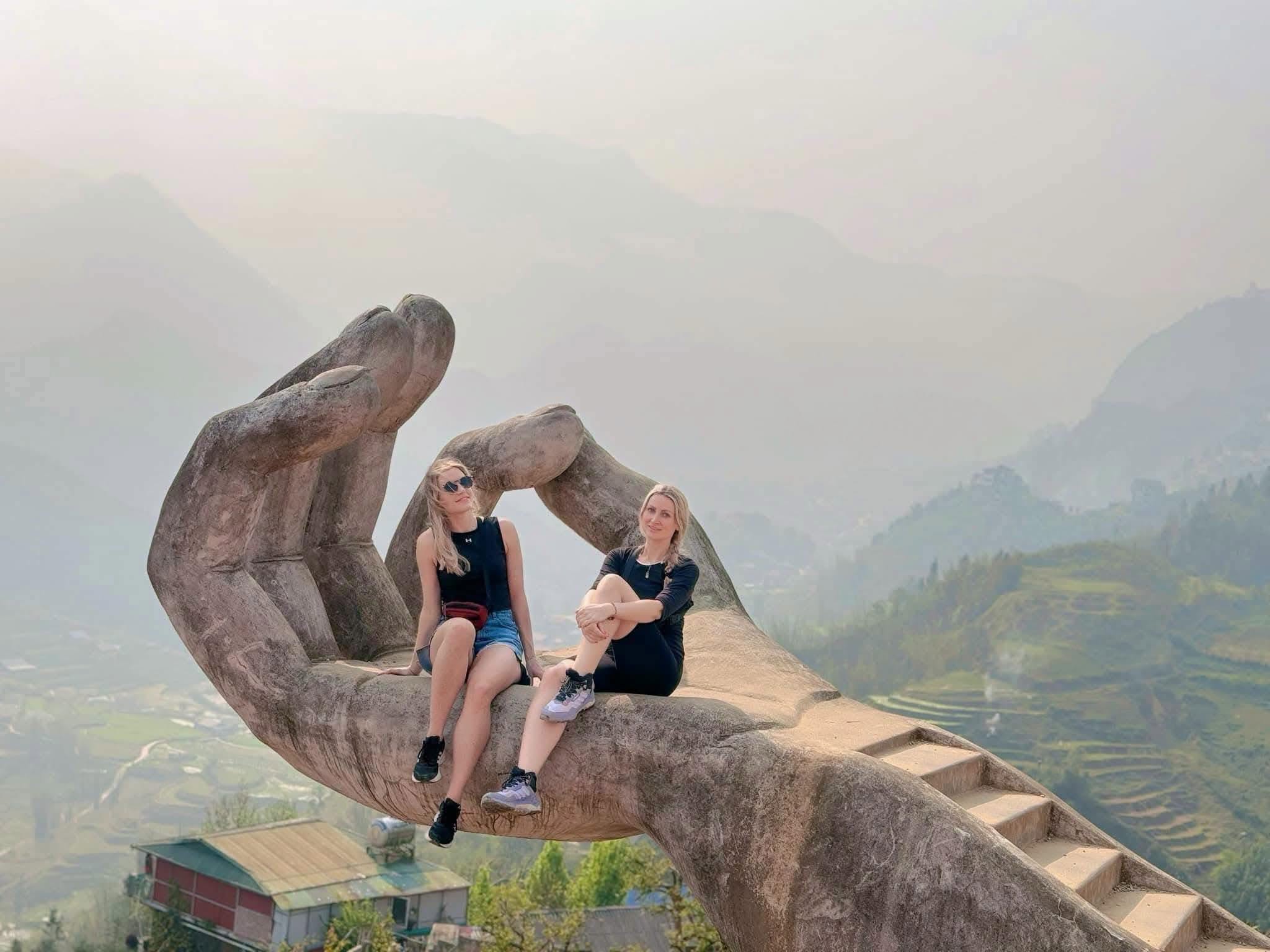
 Nestled in the misty mountains of northern Vietnam, Sapa is one of the country’s most breathtaking destinations. Famous for its spectacular rice terraces, colorful ethnic minority villages, Fansipan Mountain, and cool climate, Sapa attracts millions of travelers every year.
However, traveling to Sapa is very different from visiting cities like Hanoi or Ho Chi Minh City. The mountainous terrain, unpredictable weather, and unique local culture require a little preparation.
Whether you’re planning a weekend getaway or a multi-day trekking adventure, here are the most important tips you should know before visiting Sapa.
1. Choose the Best Time to Visit Sapa
One of the biggest surprises for first-time visitors is that Sapa experiences four distinct seasons.
March – May (Spring)
- Pleasant temperatures
- Blooming flowers
- Excellent trekking conditions
- Clear mountain views
June – August (Summer)
- Bright green rice terraces
- Occasional heavy rain
- Warm weather
- Perfect for photography
September – October (Harvest Season)
- Golden rice fields
- Comfortable temperatures
- Peak tourist season
- The most beautiful scenery of the year
November – February (Winter)
- Cold weather (sometimes below 5°C)
- Thick morning fog
- Frost and occasional snowfall
- Fewer tourists
Pro Tip: September is widely considered the best month to experience Sapa’s famous golden rice terraces.
2. Pack for Changing Weather
Sapa’s weather can change dramatically within a few hours.
Even during summer, evenings can feel chilly, while winter temperatures may approach freezing.
Bring:
- Waterproof jacket
- Warm sweater
- Comfortable hiking shoes
- Raincoat
- Sunscreen
- Hat
- Sunglasses
- Small backpack
- Reusable water bottle
- Power bank
If you’re trekking, avoid wearing brand-new shoes.
3. Wear Comfortable Shoes
Many attractions in Sapa involve walking or hiking.
You’ll likely encounter:
- Mountain trails
- Stone paths
- Muddy roads after rain
- Steep hills
- Rice terrace pathways
Good hiking shoes with excellent grip are highly recommended.
4. Prepare for High Altitude
Sapa sits at approximately 1,500 meters (4,900 feet) above sea level.
Some visitors may experience:
- Mild shortness of breath
- Fatigue
- Headaches
Take your time during the first day and stay hydrated.
5. Book Transportation in Advance
There are several ways to travel from Hanoi to Sapa:
Overnight Train
- Comfortable
- Scenic journey
- Suitable for families
Sleeper Bus
- Budget-friendly
- Convenient
- Popular among backpackers
Luxury Limousine Van
- Faster
- More comfortable
- Hotel pick-up available
Travel time typically ranges from 5 to 7 hours, depending on your chosen transport.
6. Respect Local Ethnic Cultures
Sapa is home to several ethnic minority communities, including the Hmong, Dao, Tay, Giay, and Xa Pho people.
When visiting villages:
- Ask before taking photographs.
- Dress respectfully.
- Support local artisans by purchasing handmade crafts.
- Avoid giving money or sweets directly to children.
- Learn a few basic Vietnamese greetings—it is always appreciated.
Responsible tourism helps preserve Sapa’s unique cultural heritage.
7. Bring Cash
Although many hotels and larger restaurants accept credit cards, small cafés, local markets, and village vendors often operate on a cash-only basis.
It’s a good idea to carry enough Vietnamese Dong for:
- Local meals
- Souvenirs
- Village entrance fees
- Tips for local guides
- Small purchases
ATMs are available in Sapa Town but may be limited in remote areas.
8. Trek with a Local Guide
One of the best ways to experience Sapa is by trekking through its stunning valleys and villages.
A knowledgeable local guide can help you:
- Discover hidden trails
- Learn about local traditions
- Visit authentic villages
- Navigate safely
- Support community-based tourism
Popular trekking routes include Cat Cat Village, Lao Chai, Ta Van, Ta Phin, and Y Linh Ho.
9. Expect Limited Internet in Remote Areas
While Wi-Fi is widely available in hotels and cafés, mobile coverage may be weak in mountain villages.
Download maps, booking confirmations, and translation apps before heading out for a trek.
Offline navigation can be extremely useful.
10. Don’t Miss Fansipan Mountain
Known as the “Roof of Indochina,” Fansipan rises to 3,143 meters (10,312 feet).
Visitors can reach the summit by:
- Modern cable car
- Hiking expedition
- Combination of train and cable car
On clear days, the panoramic mountain views are unforgettable.
Bonus Tips for First-Time Visitors
✔ Wake up early for the best sunrise views.
✔ Bring a camera with extra batteries.
✔ Taste local specialties like salmon hotpot, grilled pork, sticky rice, and thắng cố (for adventurous food lovers).
✔ Dress in layers to adapt to changing temperatures.
✔ Travel slowly—Sapa is best enjoyed at a relaxed pace.
Common Mistakes to Avoid
- Underestimating the cold weather.
- Wearing slippery shoes.
- Booking transportation at the last minute during peak season.
- Skipping travel insurance for trekking activities.
- Ignoring weather forecasts.
- Rushing through villages without learning about local culture.
Sapa is much more than a mountain destination—it’s a place where dramatic landscapes, vibrant ethnic cultures, and unforgettable adventures come together.
If it’s your first visit to Vietnam, make sure Sapa is on your itinerary—you’ll discover a side of the country unlike anywhere else.